




Blog



Vetch A Strategic Crop for High-Protein Animal Feed
Vetch A Strategic Crop for High-Protein Animal Feed
Introduction
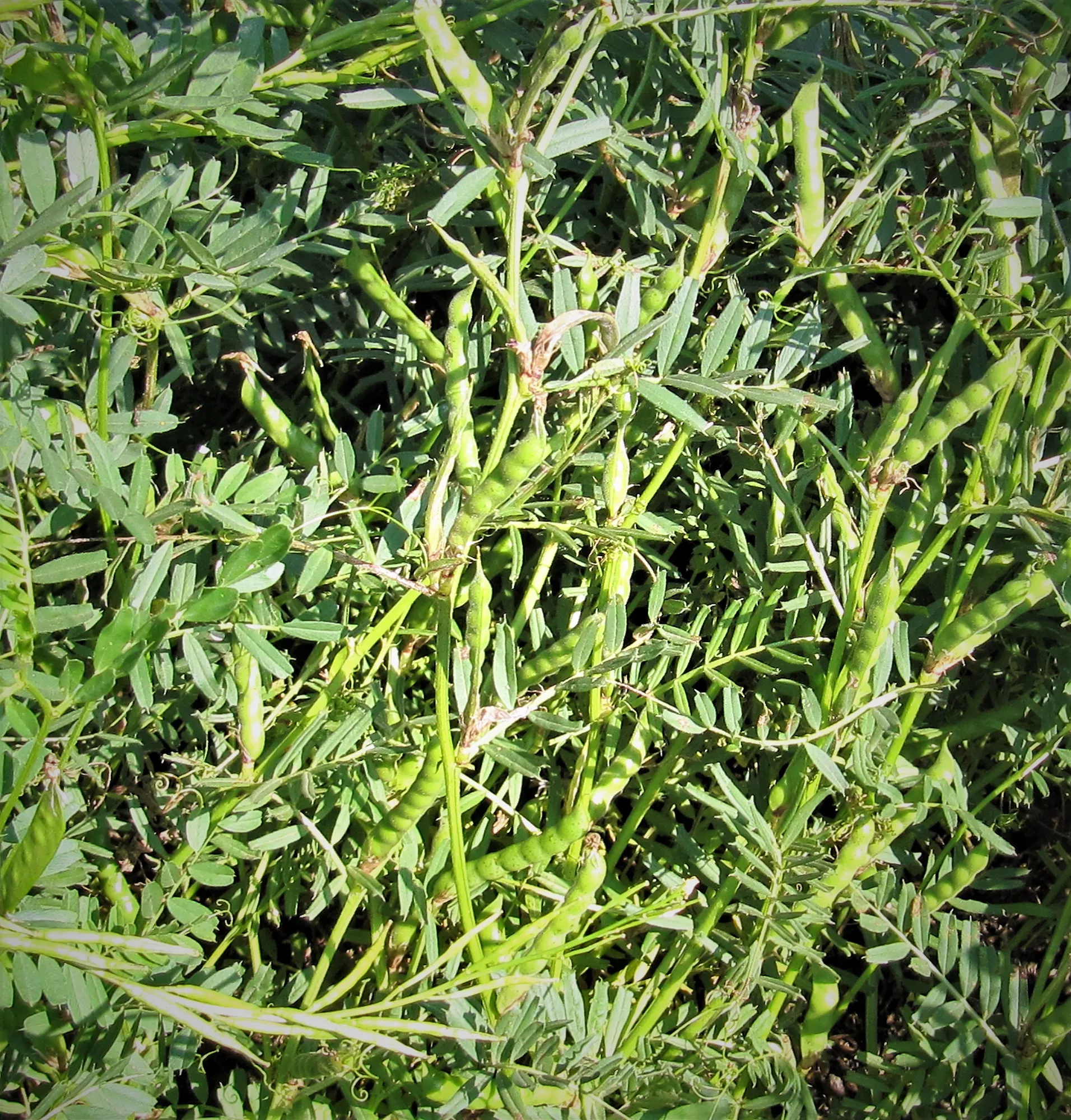
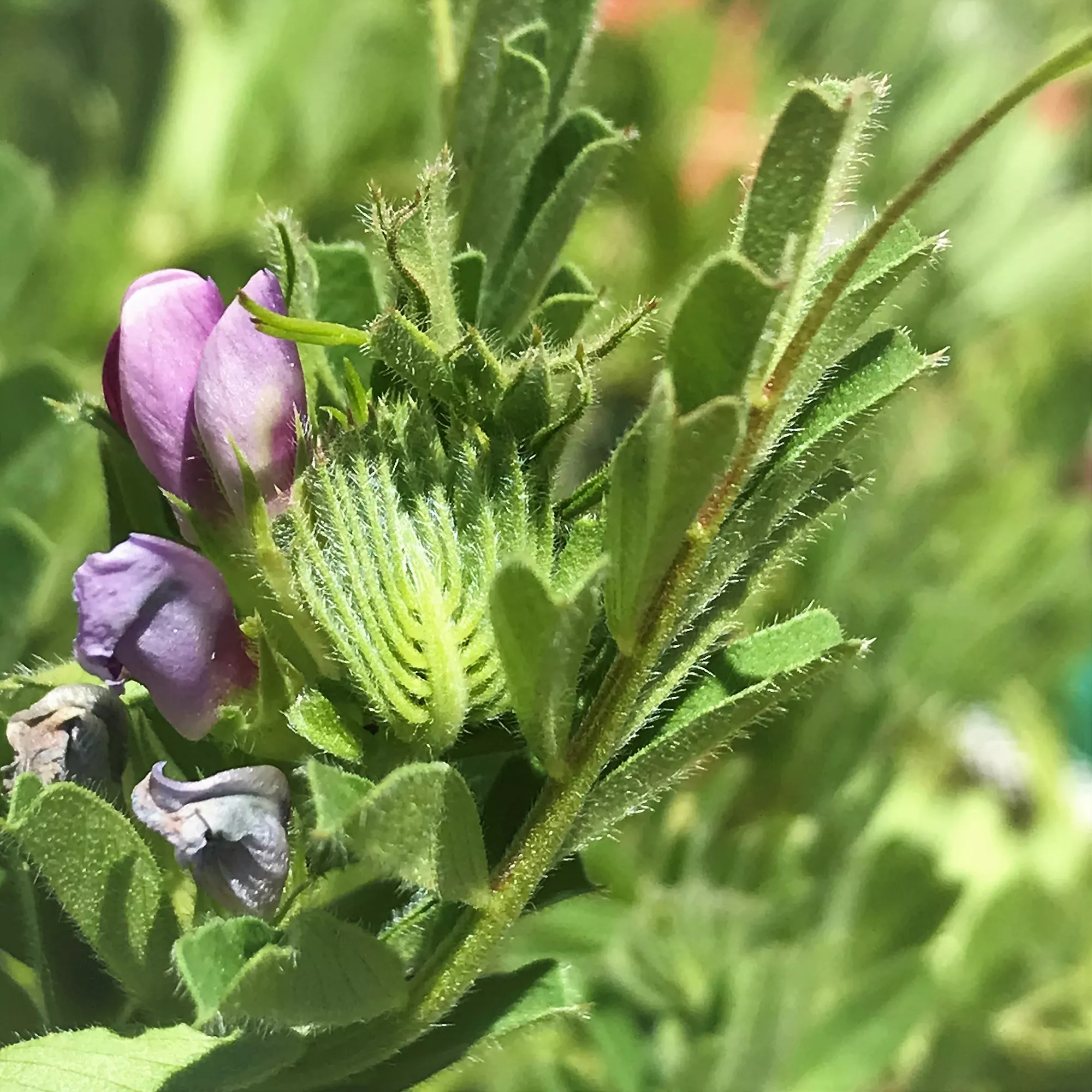
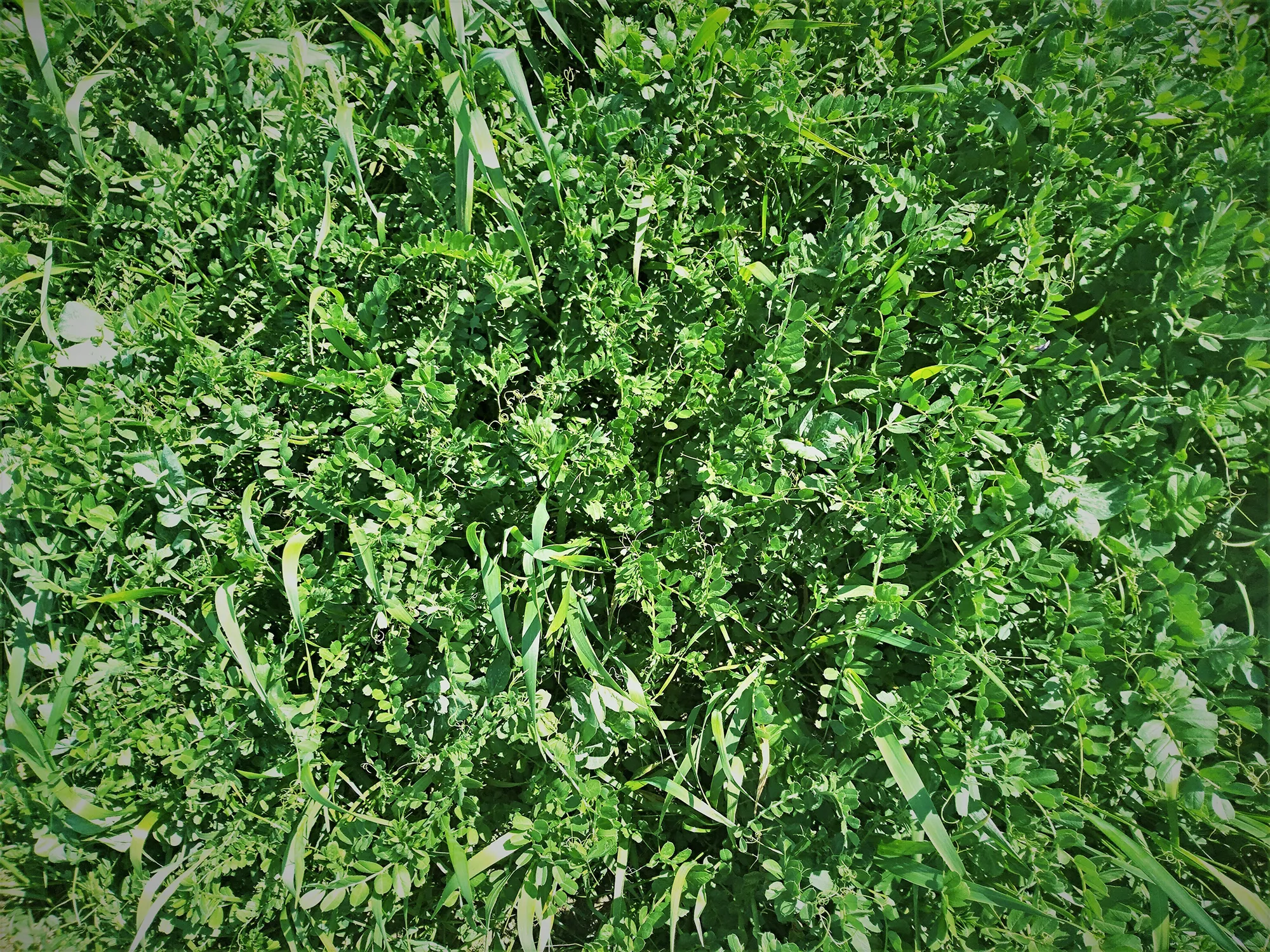
Common vetch (Vicia sativa L.) is one of the most important legumes in Greek agriculture, known for its high adaptability to diverse soil and climate conditions and its strong nutritional value. Its uses range from producing high-quality animal feed to improving soil fertility through nitrogen fixation. As a crop, vetch combines low establishment costs with a significant contribution to sustainable livestock production.
With high protein content and remarkable resilience, it is regaining its position as a strategic choice for feed production, offering sustainable solutions for both livestock systems and soil improvement.
Nutritional Value and Protein Profile
Vetch contains 24–30% crude protein*, a rich amino acid profile (notably lysine and threonine), and good digestibility.
It is low in lignin and fiber, making it particularly easy to digest.
Additionally, it offers:
- High energy value (0.8–0.9 UF/kg DM)
- Good calcium–phosphorus balance
- Adequate levels of vitamins and trace elements that support milk production and animal growth
Note: Values vary depending on form (seed vs hay) and variety.
Table 1. Nutritional Analysis of Vetch Seed (Vicia sativa)*
| Nutrient | Content (% DM) | Remarks |
| Crude Protein (CP) | 24–30% | Very high; ideal for high-protein feed |
| Total Carbohydrates | 45–50% | Provide energy, excellent balance with cereals |
| Fiber (NDF) | 10–14% | Highly digestible, supports proper gut function |
| Fat | 1.5–2% | Contributes to palatability |
| Lysine | 1.5–1.8% | High; comparable to soybean |
Note: Values vary depending on the variety.
Analysis
The nutritional value of vetch makes it a strategic choice for high-protein feed production, especially in livestock systems.
Its protein, lysine, and digestible fibers make it ideal for blending with cereals, while its nitrogen-fixing capacity enriches the soil and reduces fertilizer needs.
Its quality makes it an excellent alternative to soybean and other costly protein feeds.
Conclusion
Vetch proves to be a versatile crop capable of sustainably supporting both crop and livestock production.
Its high protein value, flexible uses, and contribution to soil fertility position vetch as a strategic pillar for a self-sufficient and environmentally friendly agri-food sector.
Feeding Value by Animal Species
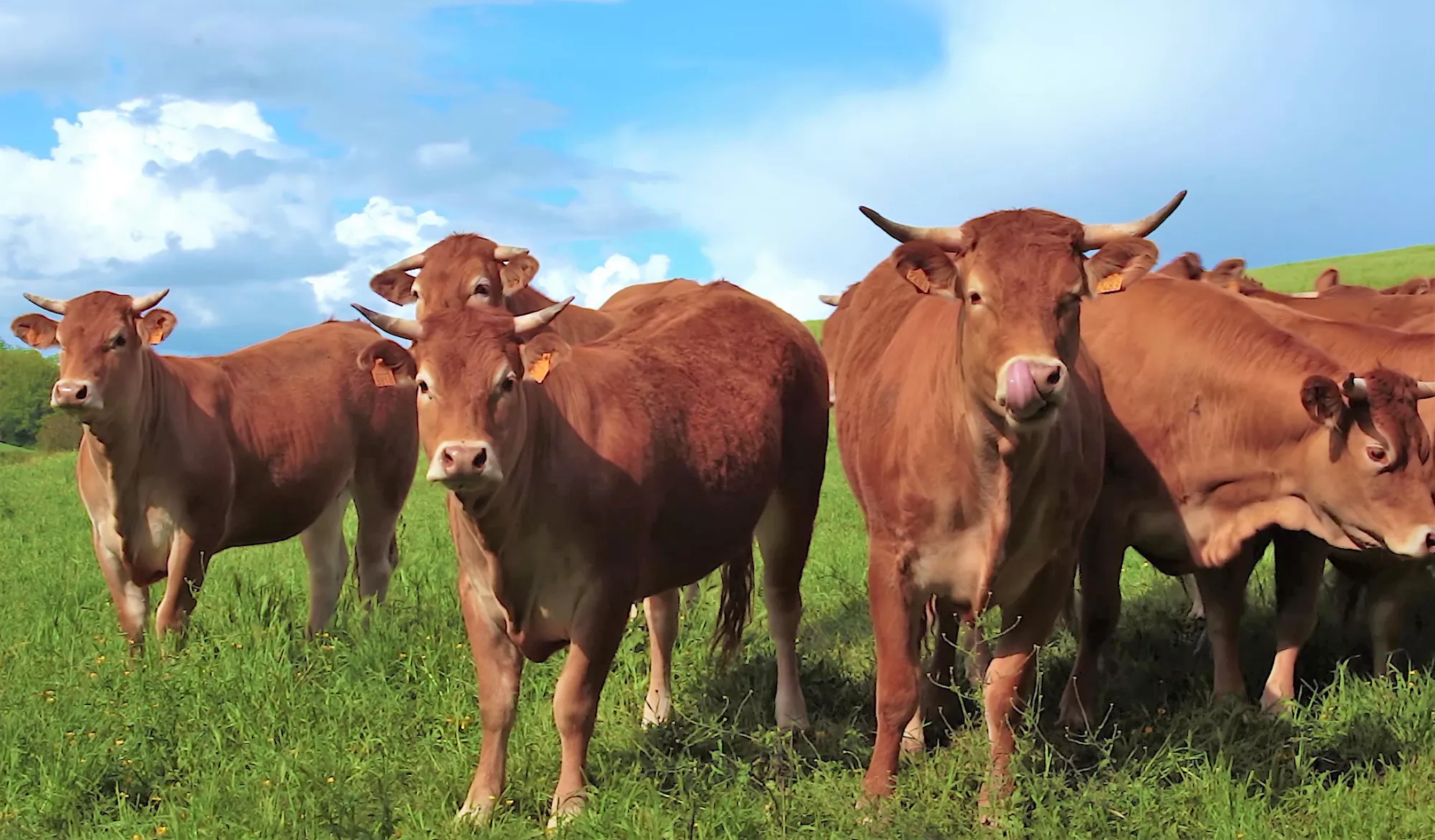
Cattle
Dairy
- Vetch (hay or silage) enhances milk yield and fat content, improving overall protein balance.
- Recommended in mixtures with oats or triticale for stable energy supply.
Fattening
- Increases weight gain efficiency per kg of feed.
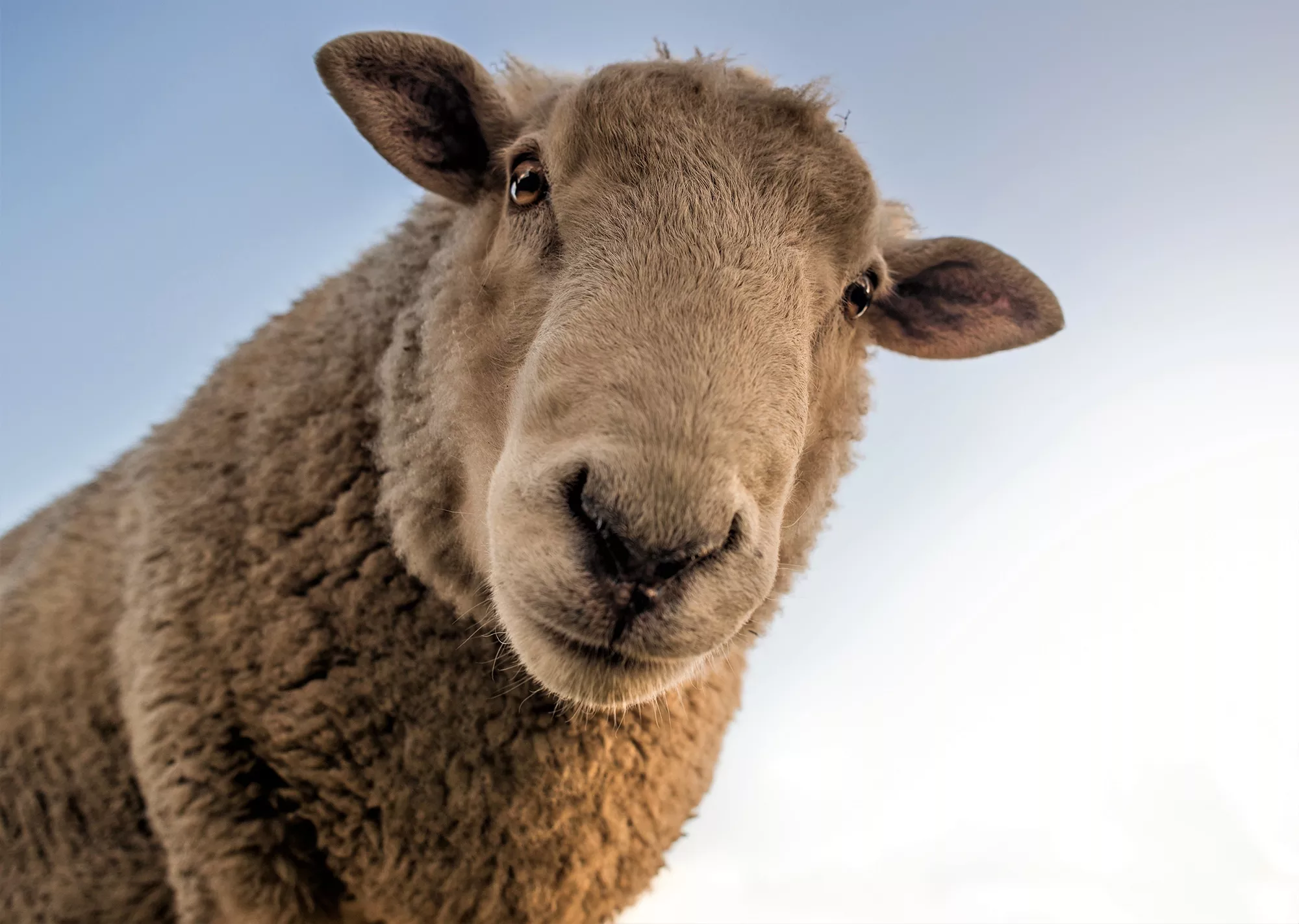
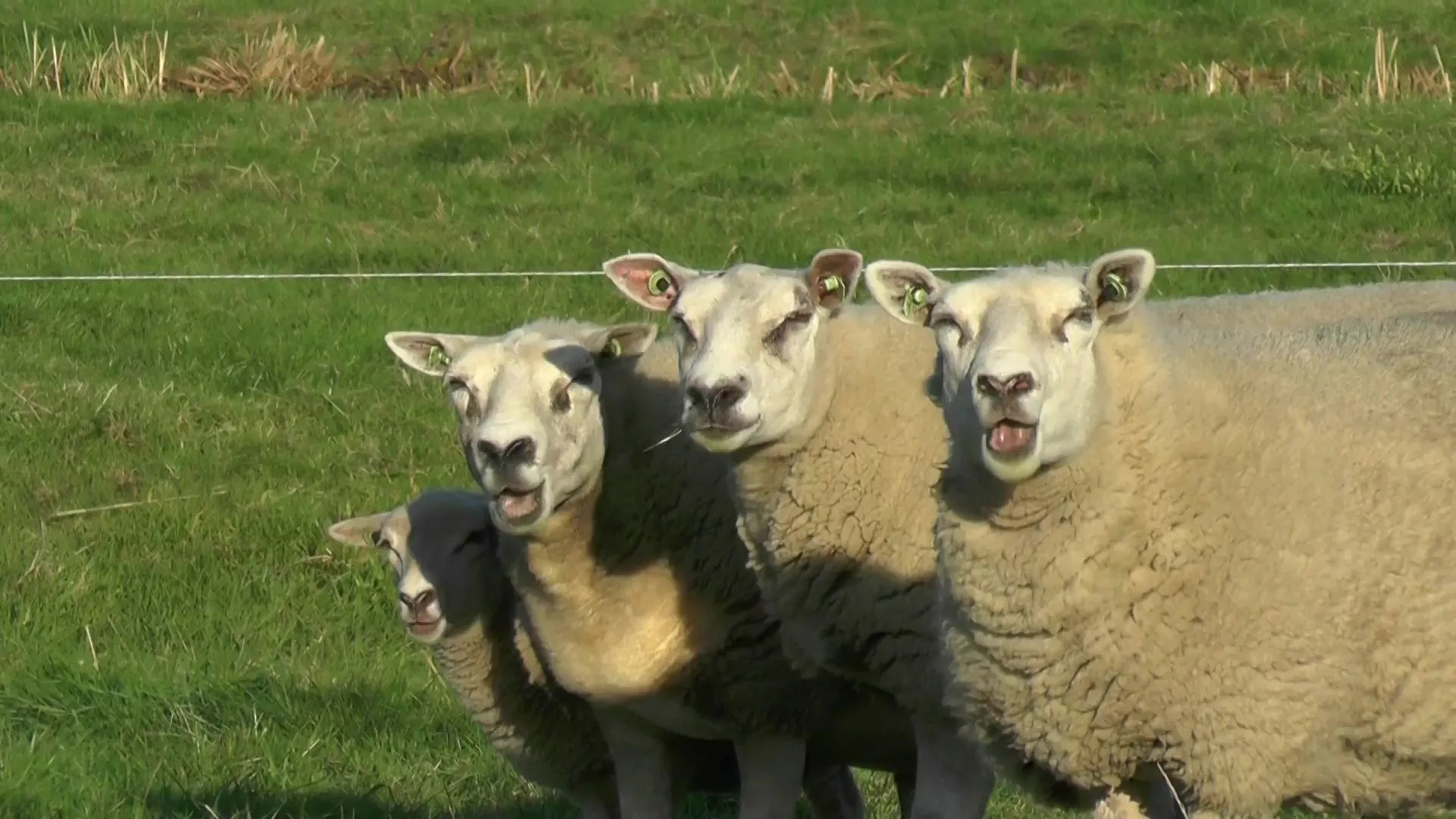
Sheep
Dairy
- Improves milk yield and protein percentage, enhancing texture and yield in dairy products.
Fattening
- Ideal when combined with barley; promotes uniform growth and is well digested without bloating issues.
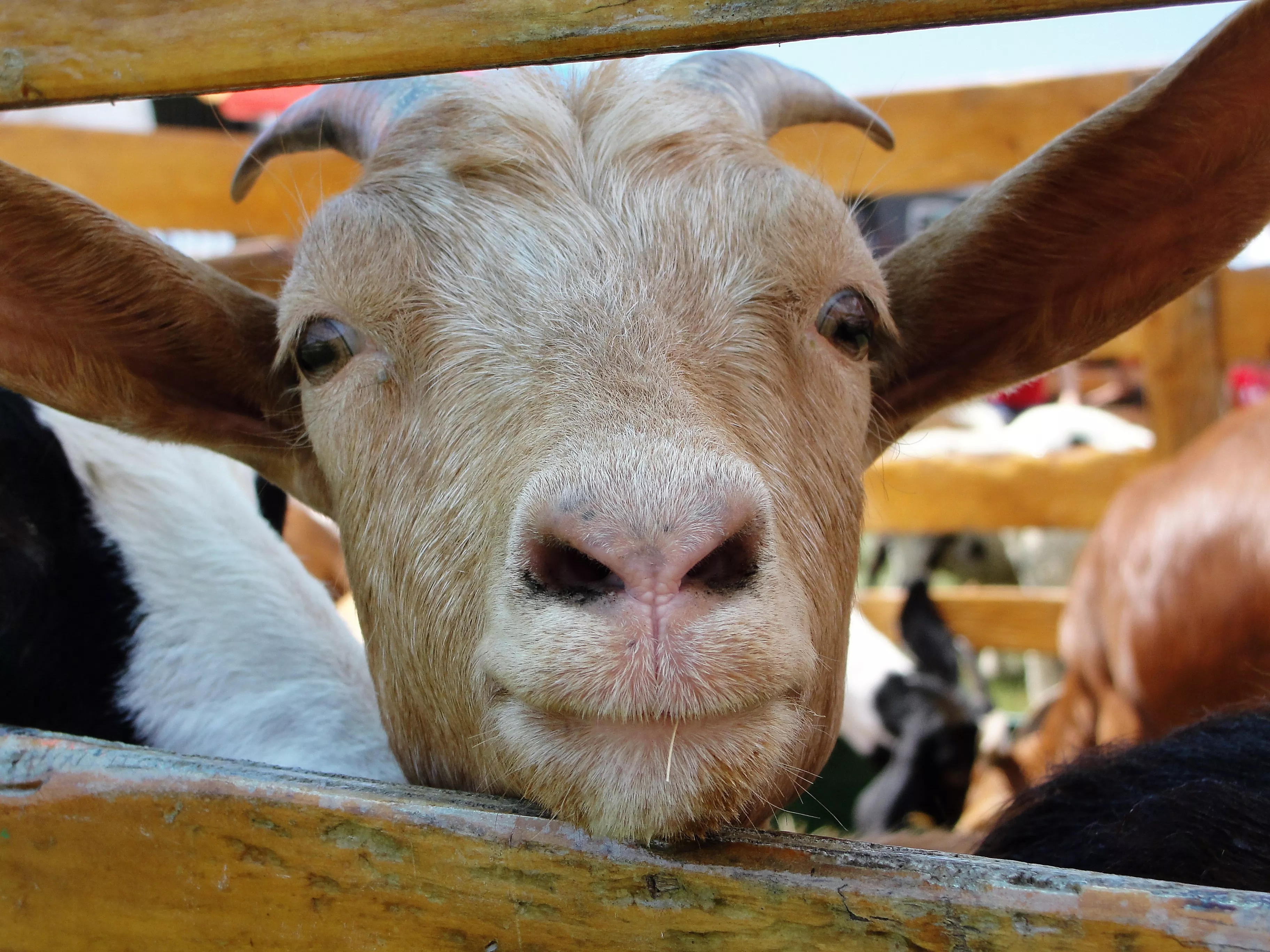
Goats
Dairy
- Enhances milk production and nutritional quality, with positive effects on aroma and product quality.
Fattening
- Supports consistent weight gain, especially when provided as silage or in cereal mixtures.
Other Species Consuming Vetch
Pigs (Fattening & Breeding)
- Vetch seed can be used as a supplemental protein source in pig rations.
- Contains digestible starch and fewer antinutritional factors compared to other legumes.
- Supports muscle development and meat consistency, especially when combined with energy-dense cereals.
Note: Use under conditions/at limited inclusion rates.
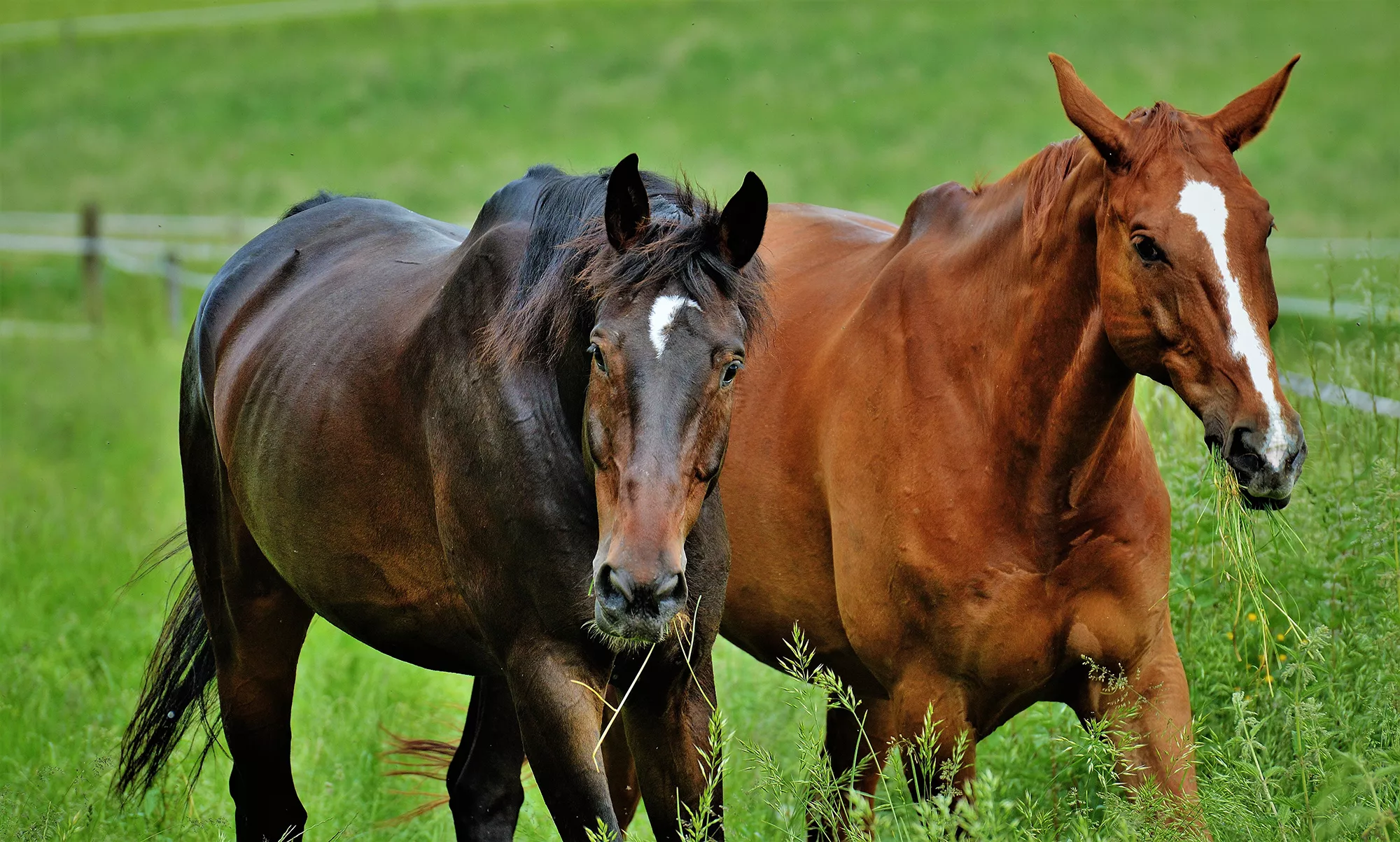
Equines
- Vetch hay is well digested, providing high-quality plant protein and good palatability.
- Suitable for working or athletic horses, offering energy without excessive caloric load.
Note: Use under conditions/at limited inclusion rates.
Rabbits
- Vetch (especially dry hay) is excellent for maintenance and fattening, rich in protein and fiber.
- Supports healthy digestion and reduces gastrointestinal disturbances due to stem structure.
- Its natural antioxidants improve fertility and population viability.
Note: Use under conditions/at limited inclusion rates.
Birds – Songbirds, Pigeons, Laying Hens & Broilers
- Ground vetch seed is used in poultry feed at low rates (5–8%) due to high protein and lysine content.
- Enhances eggshell quality and stabilizes egg production.
- In free-range systems, fresh vetch serves as a natural source of vitamins and fiber, improving overall flock health.
Note: Use under conditions/at limited inclusion rates.
Ducks & Geese
- Fresh or dried vetch provides excellent protein and leafy biomass.
- Used in waterfowl systems to support egg production and enhance meat flavor.
Note: Use under conditions/at limited inclusion rates.
Combination with Cereals The Smart Practice
Intercropping vetch with cereals (barley, oats, triticale) offers:
- Balanced energy–protein feed
- More stable yield and improved drought tolerance
- Physical support of vetch plants by the cereal stems
- Natural soil enrichment with nitrogen
A vetch–barley mix produces 5–7 t DM/ha, with 16–18% protein, ideal for ruminants in fattening or dairy stages.
Values vary depending on form (seed vs hay) and variety.
Use in Pastures and Forage Mixtures
Vetch is ideal for winter pastures or annual forage mixtures because it:
- Provides rich, palatable, protein-rich vegetation
- Enhances overall grazing capacity
- Combines effectively with grasses (e.g., fescue, ryegrass, dallisgrass)
- Boosts soil microbial activity and pasture stability
It ensures high-quality fresh forage or silage while significantly improving the environmental footprint of livestock farms.
Agronomic and Economic Advantages
- Highly adaptable, drought-tolerant, and low-input.
- As a legume, it reduces the need for nitrogen fertilizers, improving soil fertility and lowering production costs.
- Thus, it is an economically and environmentally sustainable solution for producing quality animal feed.
Prospects and Strategic Importance
EU policies aiming to reduce protein imports and promote low-carbon systems are increasing interest in crops like vetch.
Its integration into crop rotations, pastures, and feed mixtures creates new opportunities for sustainable and competitive agricultural production.
Final Conclusion
Vetch is a multidimensional crop combining nutritional, economic, and environmental value.
Whether for cattle, sheep, or goats in milk or fattening systems, it offers stable protein quality, high digestibility, and low production cost.
It strengthens the self-sufficiency and sustainability of Greek livestock production, supporting both land and animal nutrition.