




Blog

AGROTICA 2026 Thessaloniki Conference Center, Hall B ‘Germanos’
AGROTICA 2026 Thessaloniki Conference Center, Hall B ‘Germanos’
Organic Seed Production: Modern Perspectives & Challenges
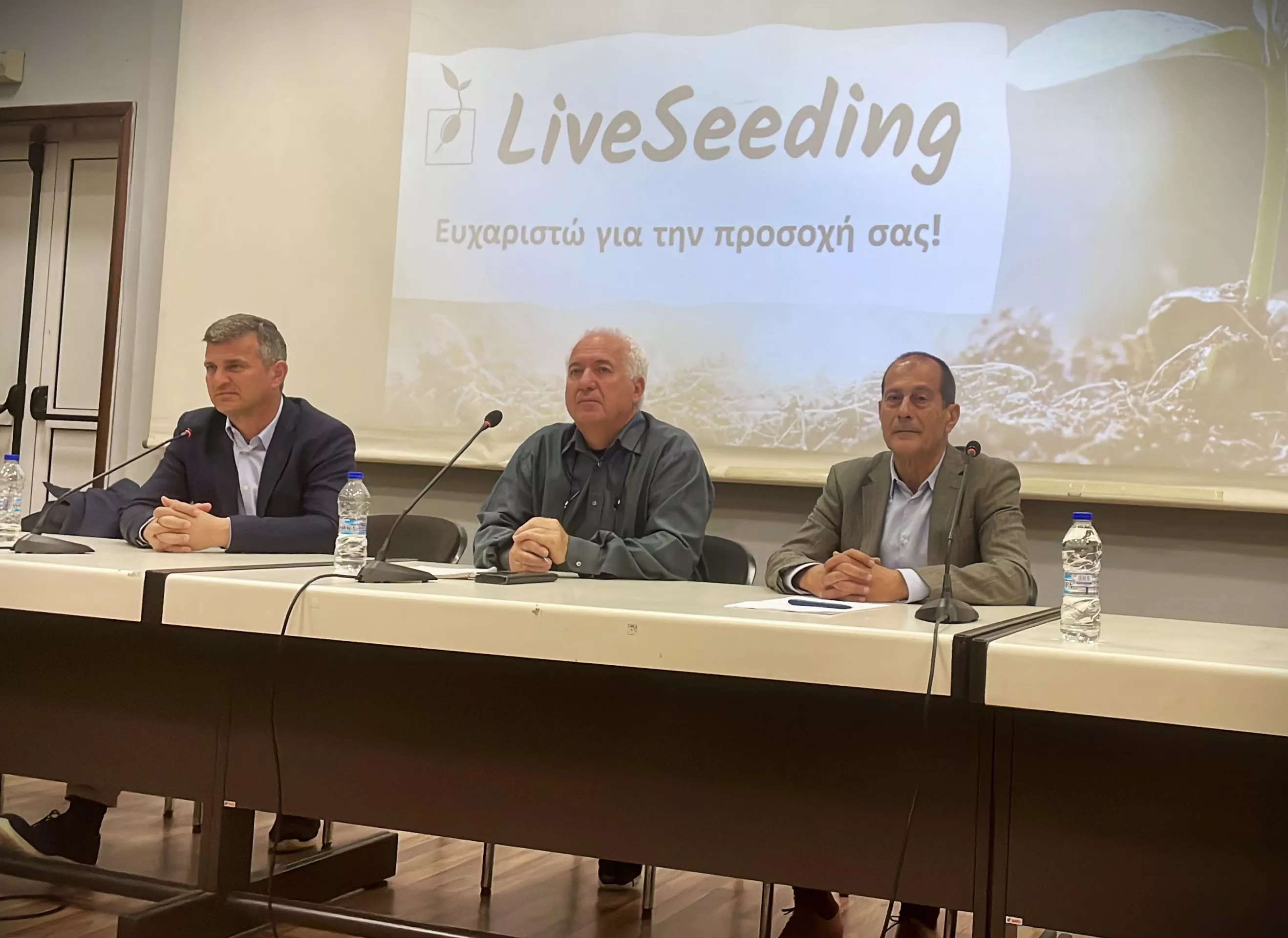
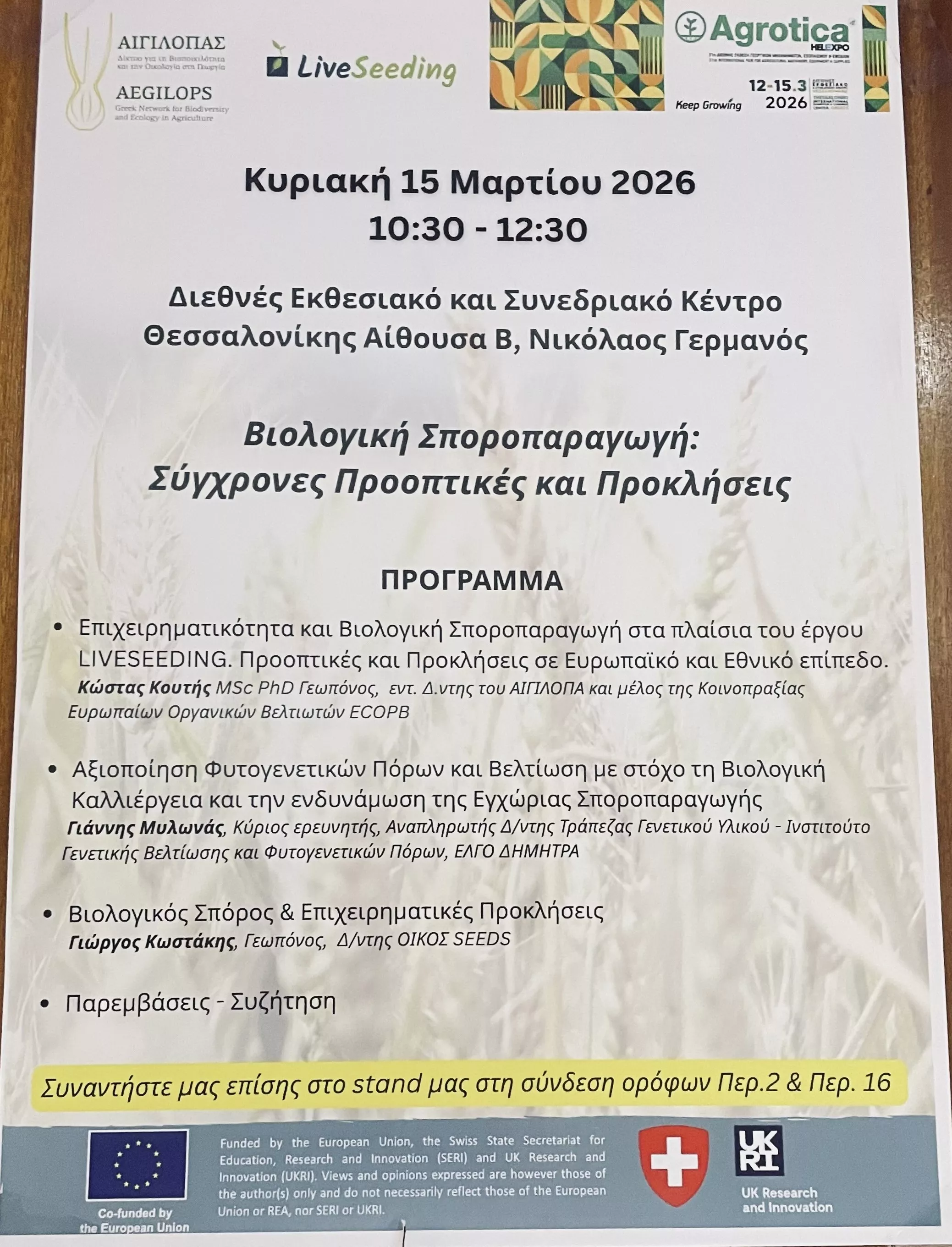
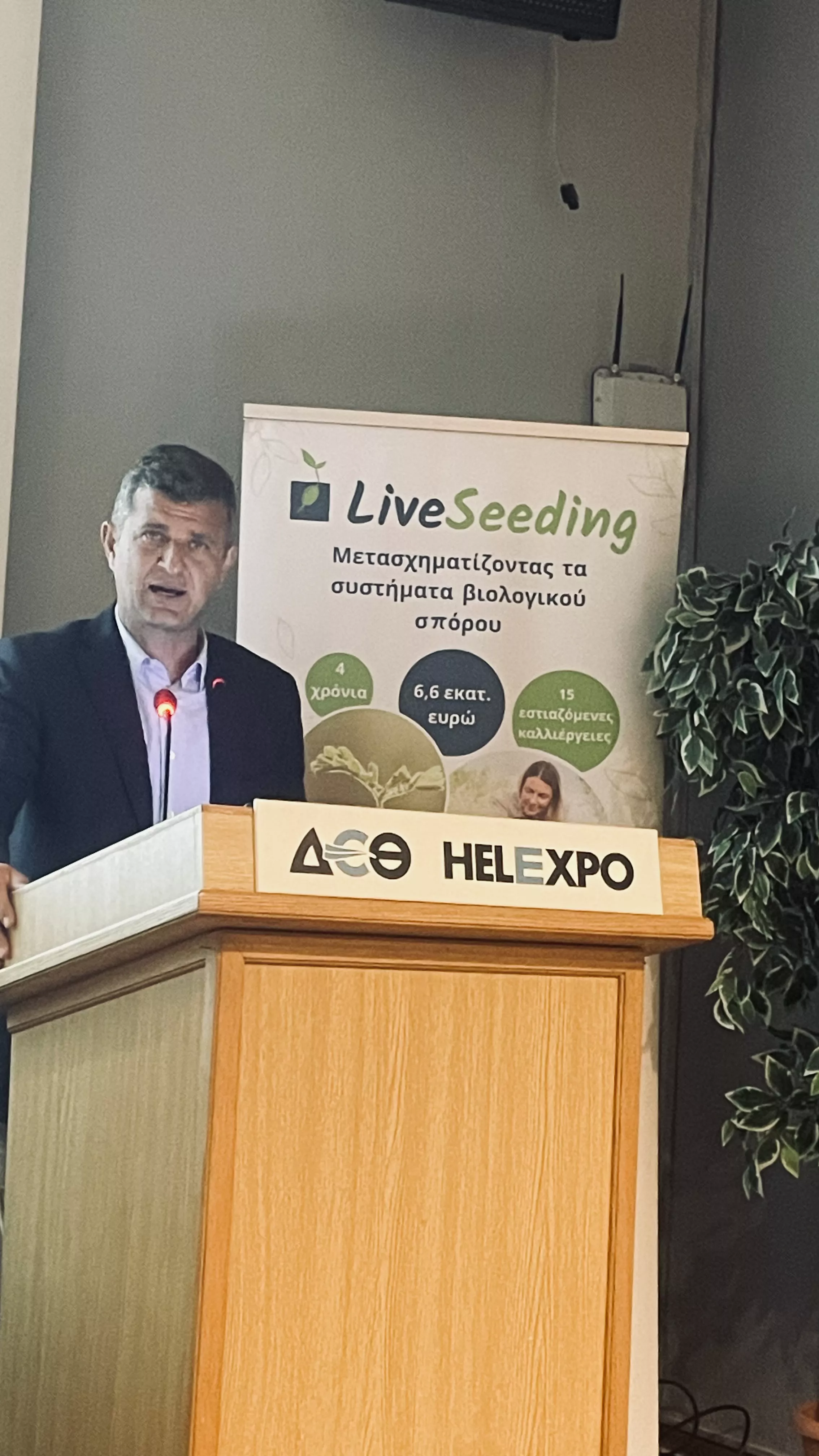
As part of the international agricultural exhibition Agrotica 2026, a thematic event was held dedicated to organic seed production and its modern prospects in Europe.
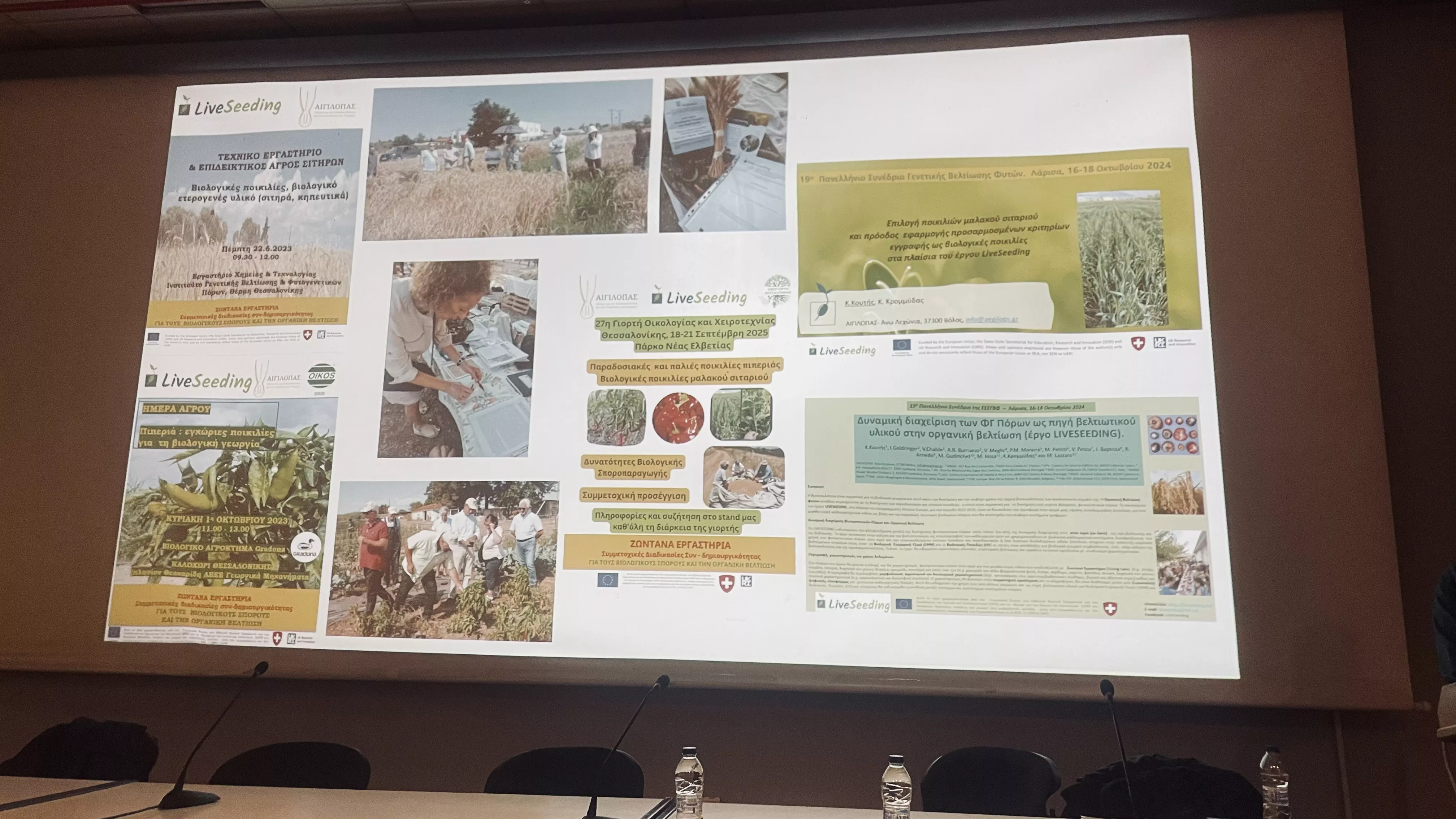
The event was organized by Aegilops within the framework of the European project LiveSeeding, bringing together scientists, researchers, and professionals from the agri-food sector for a substantive discussion on trends and challenges in the industry.
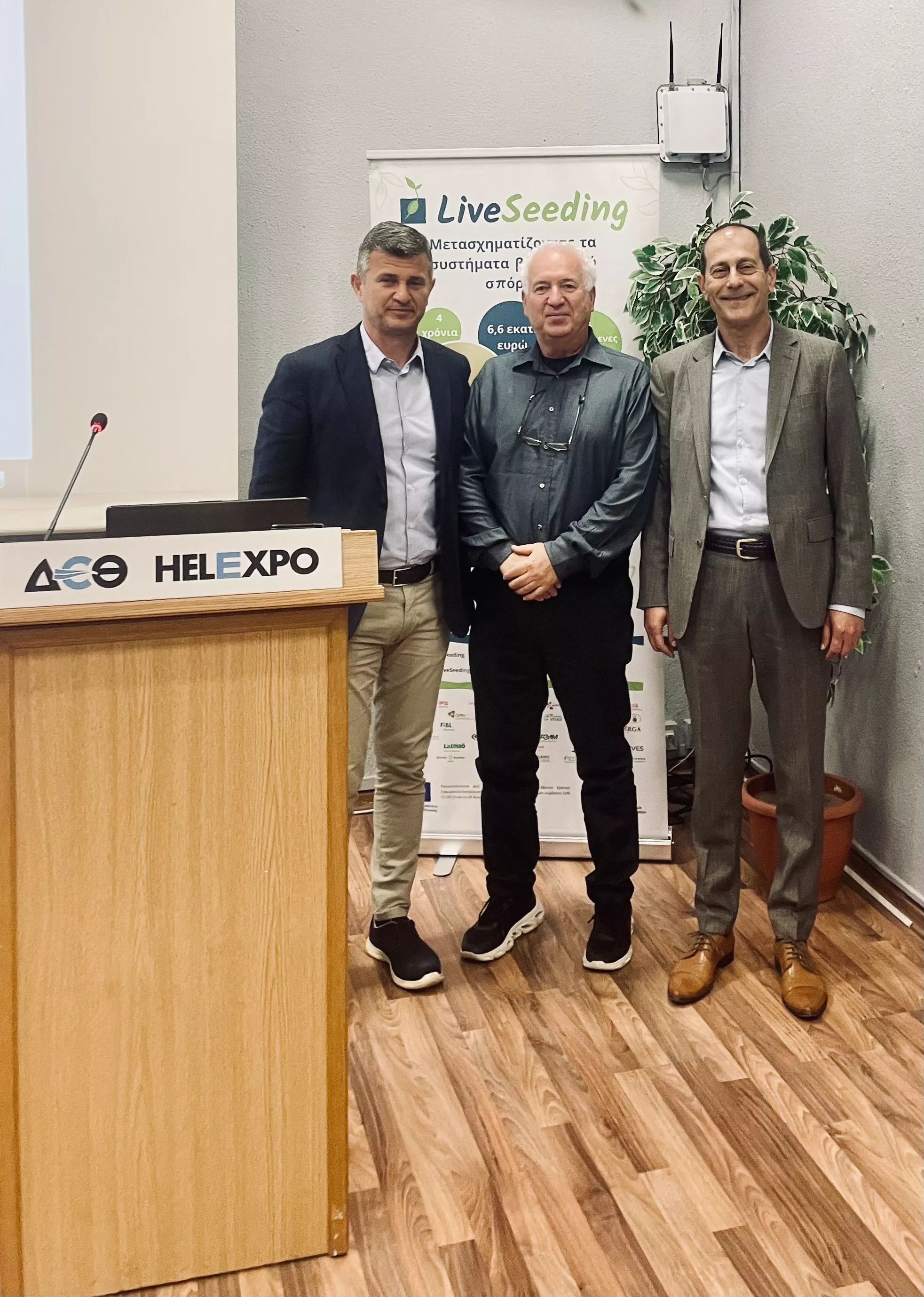
Participants included:
Konstantinos Koutis, MSc, PhD, Agronomist and Director of Aegilops
Yiannis Mylonas, Researcher and Deputy Director of the Genetic Improvement & Phylogenetic Resources Bank at ELGO-DIMITRA
Giorgos Kostakis, Agronomist-Economist and Director of OIKOS SEEDS
At the event, titled “Organic Seed Production: Modern Perspectives and Challenges”, participants presented the main challenges as well as the growth opportunities created by organic seed production and the strengthening of domestic seed supply.
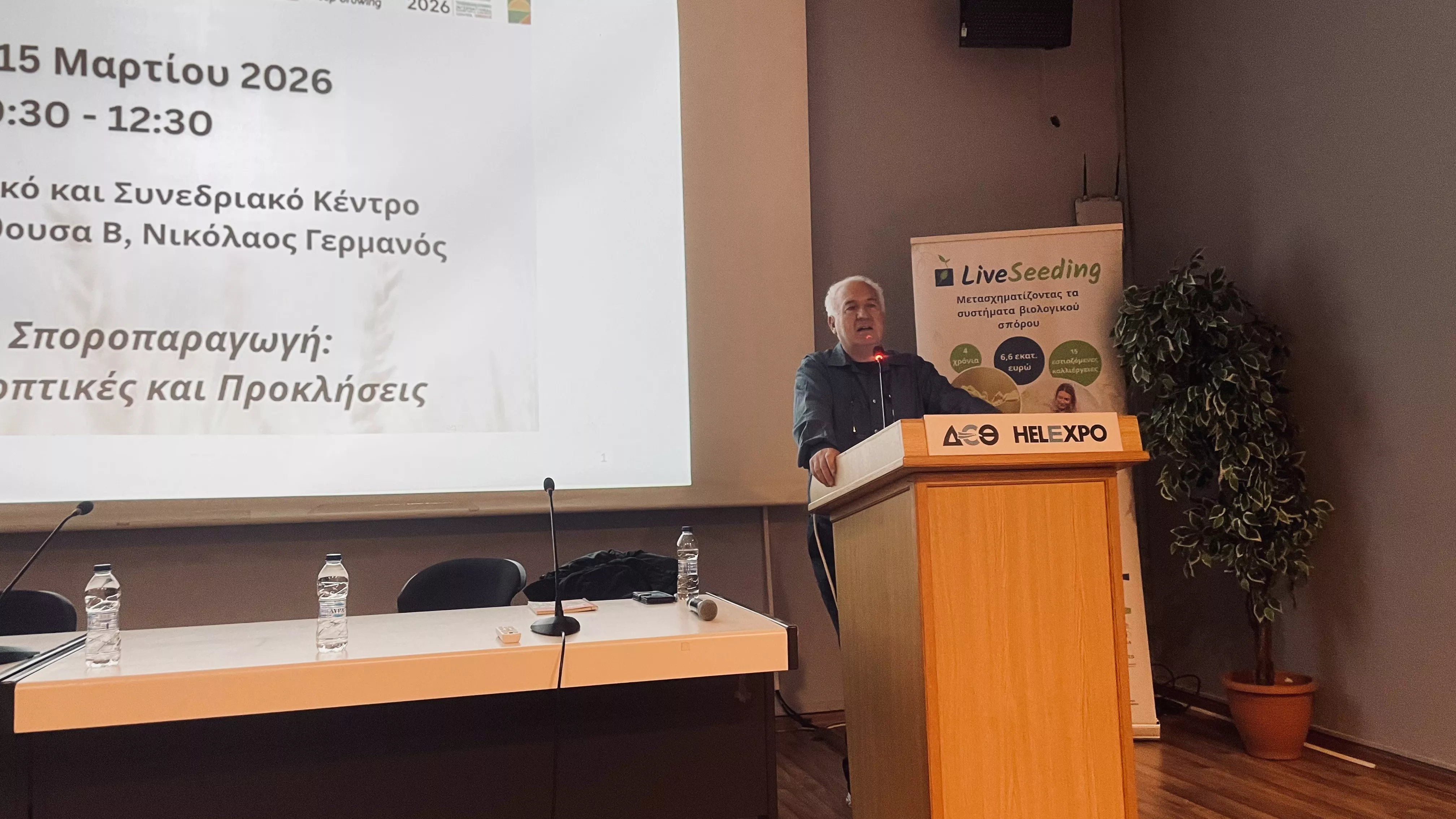
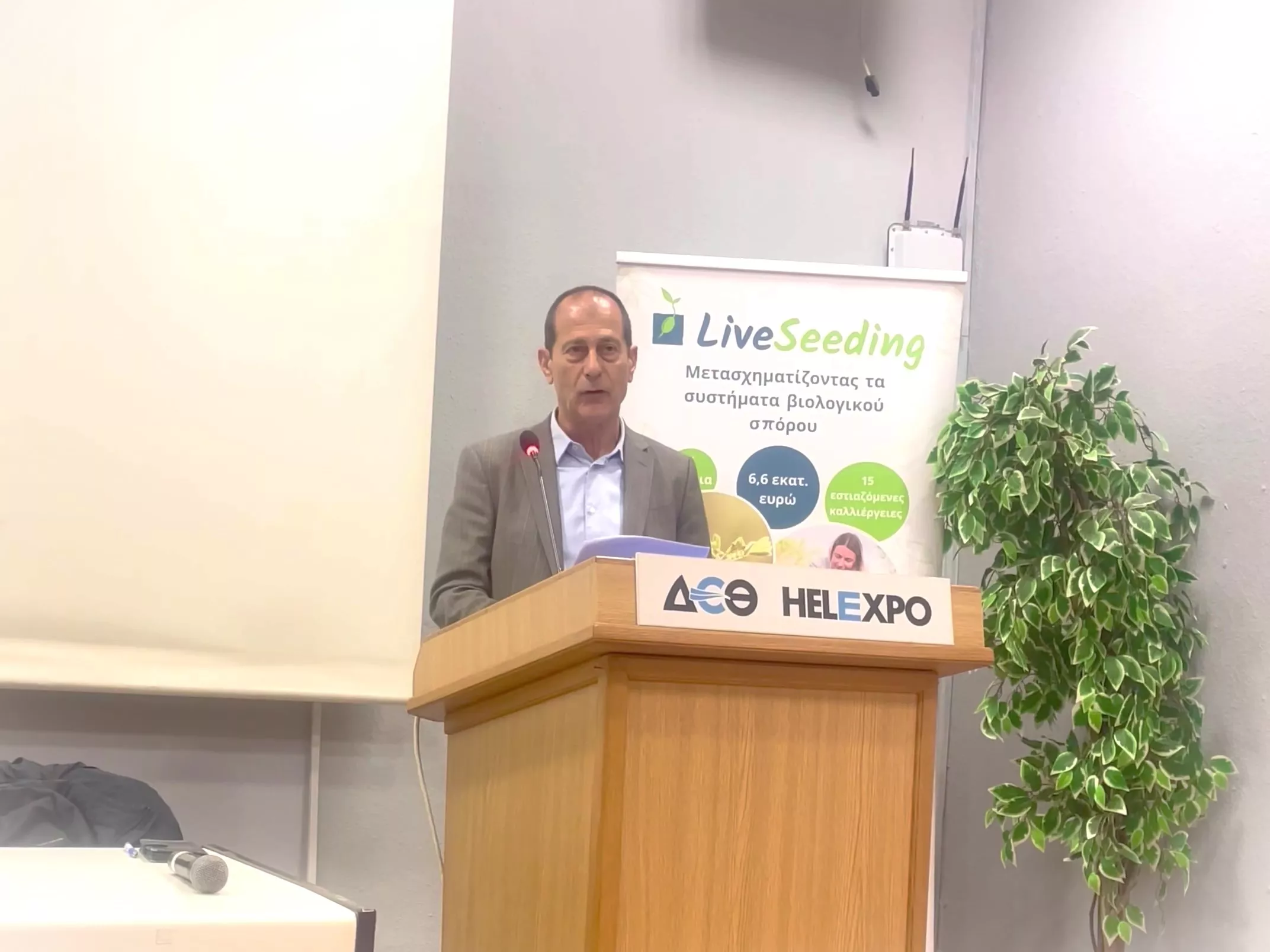
Below is the speech delivered by Mr. Giorgos Kostakis.
Distinguished attendees in the field of organic agriculture,
It is a great pleasure for me to be here today, within the framework of Agrotica and the Aegilops seminar, to share with you my experience from our participation in the LiveSeeding Europe program.
I would like to personally thank Mr. Koutis for the invitation and this opportunity.
I represent OIKOS SEEDS, a Greek seed production company active for 31 years in producing and distributing high-quality certified seeds of 16 traditional Greek vegetable varieties and one vetch variety in the Greek market.
We collaborate with over 100 seed producers annually.
In 2025, our seed production area reached 5,500 stremmata (approx. 550 hectares), with a production of around 500 tons of vetch and vegetables.
We offer more than 1,000 seed codes through 450 partner agronomic stores and agricultural cooperative unions. For over 20 years, we have exported certified propagation material to 5 countries.
We are members of the following organizations:
International Seed Federation (ISF)
International Society for Agricultural Sciences
LiveSeeding Europe
Hellenic Scientific Society for Plant Genetic Improvement
Association of Greek Seed Producers and Seedlings
Registered in the Greek Conservers’ Registry
Our work is simple in theory but complex in practice: starting from the seed, we aim to ensure that reliable, healthy material adapted to Greek growing conditions reaches your fields.
About four years ago, we were invited to join the LiveSeeding team through the Horizon Europe program.
Our selection was mainly based on our experience in seed production and our knowledge of the Greek seed market and producers’ needs.
Participating in this initiative was a valuable learning experience for us.
I would like to share four key insights we gained:
1. Gaining deeper knowledge about seed health
Through LiveSeeding, we collaborated closely with researchers and scientific teams, including the Benaki Phytopathological Institute, on issues that are often handled empirically in seed production.
One of these is monitoring seed health, particularly regarding viruses and bacteria that can be transmitted through seeds.
This collaboration gave us access to more specialized methods for testing and evaluation, allowing us to improve our seed processing and quality control procedures.
In simple terms: today we better understand what is inside the seed before it reaches the field.
2. Improving seed processing procedures
Participation in the program also helped us approach seed processing more scientifically.
Cleaning, selection, inspection, and preparation are not merely technical steps; they are critical stages affecting:
Germination
Seed longevity
Plant health
Ultimately, field production
Through collaboration with the research team, we optimized these stages and applied practices that increase seed reliability.
3. Learning about a different approach to genetic material: Organic Heterogeneous Materials (OHM)
One of the most interesting topics from the program was the discussion of Organic Heterogeneous Materials (OHM).
These are plant populations that are not entirely uniform like conventional varieties. Instead, they are characterized by genetic diversity within the same population.
Not all plants are identical; the population contains individuals with different traits that, over years of cultivation, develop their own character and uniformity.
This heterogeneity may initially seem like a disadvantage, but in organic farming, it is often an advantage.
Why?
Field conditions are never uniform. There are:
Different microclimates
Varying disease pressures
Different soil conditions
In a uniform variety, extreme stress (e.g., disease or drought) affects all plants similarly. In a heterogeneous population, some plants are more resilient, survive, and adapt. Consequently, the overall population develops greater resilience.
This is particularly relevant today, as agriculture faces increasing climate variability—droughts, extreme temperatures, and new disease pressures are now common.
Genetic diversity thus becomes a tool for resilience.
4. Better understanding the organic seed market
Another key outcome was a deeper understanding of market interest in organic seeds.
Previously, our company had produced experimental organic seeds. Although successful, the initiative did not advance due to limited interest from organic farmers, which naturally created caution.
LiveSeeding allowed us to see that things are changing. There is greater awareness, more discussion, and a new European framework actively promoting the use of organic seeds.
European legislation is now clearly moving toward:
Gradual establishment of universal use of organic seeds in organic farming
Elimination of exceptions
Europe is preparing us for a future with greater agricultural challenges, reduced reliance on chemical fertilizers, and restricted availability of chemical products—while climate change impacts become increasingly evident.
In this context, Organic Heterogeneous Materials offer a different approach to developing plant material for organic systems.
Challenges
Nothing is easy. One major challenge we faced was coordinating between different worlds: production and research.
Scientists often work with highly specialized knowledge and research goals, while producers and businesses operate in a daily practical decision-making environment. Bridging these two worlds is challenging, but when successful, the results are extremely valuable.
Message to producers
If there is one takeaway from today’s discussion:
The seed is the beginning of the food chain. It is the first and strongest link in producing safe, nutritious, high-value agricultural products.
Strong organic farming starts with a healthy, adapted, truly organic seed.
For producers, this opens a new perspective: organic seed production—a sector expected to grow in the coming years. Demand for organic seeds in Europe is steadily increasing, with markets seeking material truly adapted to organic cultivation.
Utilizing genetic diversity, whether through varieties or heterogeneous populations, can be a crucial tool for the agriculture of the future.
Closing thought
Farming is not just a profession; it is the foundation of our society.
Every seed planted initiates a process that ends at everyone’s table. The seed is the first chapter of agriculture, but the farmer turns it into food.
Without farmers, there is no food.
The stronger the collaboration between producers, scientists, and seed companies, the safer the future of agriculture will be.
Thank you very much.